Are you choosing a solar system based only on price and panel brand, without considering how long it will actually perform in Kerala’s climate? In a region defined by high humidity, heavy rainfall, and coastal exposure, the real question is not just whether solar works, but how well it sustains performance over time. Understanding Solar Panel Lifespan in Kerala is essential before selecting a vendor or installer. While most systems are designed to last 25 to 30 years, actual performance depends on factors like degradation rates, installation quality, component durability, and the system’s ability to handle wet and high-moisture conditions. This blog unpacks the science behind solar lifespan, explains how Kerala’s environment impacts performance, and outlines what to look for in a reliable installer. Rumion Power India, a trusted expert in solar installation in Kerala, brings deep and climate-specific expertise to ensure systems are engineered for durability, compliance, and long-term returns.
What “Solar Panel Lifespan” Actually Means – And What Manufacturers Don’t Always Tell You
When evaluating Solar Panel Lifespan in Kerala, it is important to look beyond marketing claims and understand what manufacturers actually guarantee. Lifespan does not mean full performance for 25 years; it refers to how well the panel performs over time as it gradually degrades.
The 25-Year Promise — What It Really Guarantees
Most panels come with a 25-year performance warranty, which typically ensures:
● Around 80–83% output after 25 years
● Not 100% performance throughout the lifespan
Typical degradation pattern:
● Year 1: 2–3% drop
● Years 2–25: 0.5–0.7% annually
● Year 25: ~80% output
Product Warranty vs Performance Warranty
Understanding warranties is essential when comparing solar systems.
● Product warranty (10–12 years): Covers manufacturing defects such as frame damage, delamination, or material failure
● Performance warranty (25–30 years): Ensures output levels do not drop below a specified percentage
● Installation warranty: Provided by the installer, covers workmanship, wiring, and mounting
A critical point often missed is this: even if a panel has a strong performance warranty, poor installation can lead to early failure, and such issues are not covered by the manufacturer.
When Panels “Die” vs When They “Degrade”
Panels rarely stop working completely. They gradually lose efficiency and reach a point where output reduces. In Kerala, even panels operating at 70–75% after 25 years can still generate meaningful savings, making solar a strong long-term investment.
Factors That Determine How Long Solar Panels Last
1. Panel Quality
High-quality Tier-1 panels degrade slower, typically around 0.5-0.7% per year. Lower-grade panels can degrade up to 1.5-2% annually, reducing long-term output significantly.
2. Material and Build Quality
Encapsulants and backsheets play a major role in moisture resistance. In Kerala’s humid climate, low-quality materials can lead to delamination, where panel layers separate over time.
3. Frame and Corrosion Resistance
Coastal regions accelerate corrosion. Panels with anodized aluminum frames and corrosion-resistant fasteners perform better and last longer.
4. Temperature Coefficient
Kerala rooftops can reach high temperatures. Panels with better temperature coefficients lose less efficiency in heat, improving long-term generation.
5. Biological Soiling
Unlike dry regions, Kerala faces algae and moss buildup. This type of soiling does not wash away easily and can block sunlight, reducing output.
6. Installation Quality
Among all factors, installation quality is the most controllable and impactful. Poor wiring, incorrect tilt, and improper sealing can reduce both efficiency and lifespan.
How Kerala’s Climate Affects Solar Panel Lifespan
Kerala presents a unique environment for solar systems:
● High rainfall (2,500–3,000 mm annually)
● Humidity levels between 70–90%
● Coastal salt exposure
● Strong winds during the monsoon
These conditions introduce three major stress factors:
Humidity: Accelerates internal degradation and affects electrical components.
Water exposure: Poor installation can lead to water ingress, damaging panels and wiring.
Salt air: Corrodes frames and connectors, especially near coastal regions.
Despite these challenges, Kerala remains highly suitable for solar due to consistent sunlight and natural cleaning from rainfall. With proper design and installation, systems can easily achieve a full 25+ year lifespan.
Solar Panel Performance in Wet Conditions
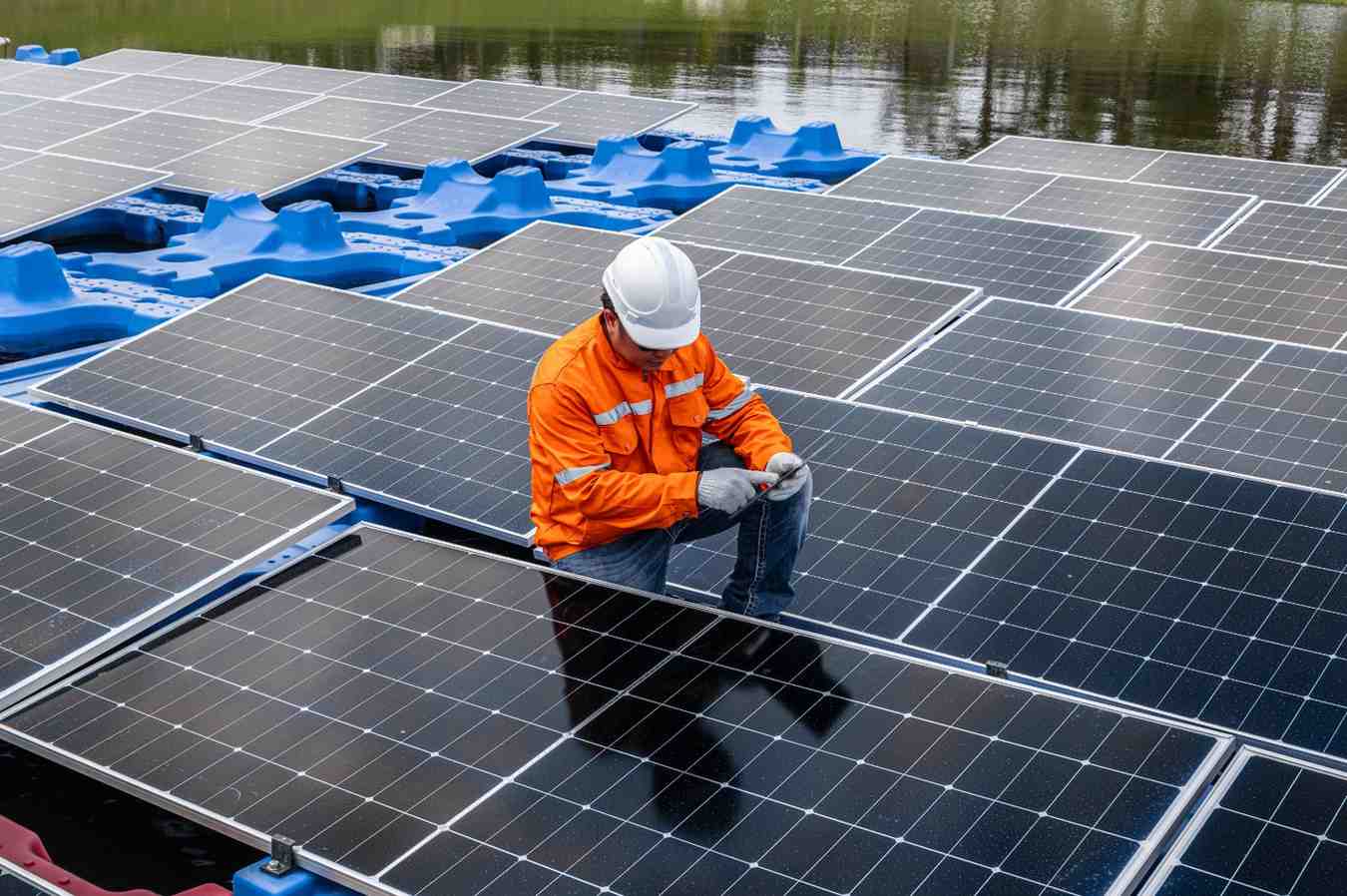
A common misconception is that rain damages solar panels. In reality, well-installed systems are designed to withstand heavy rainfall and often benefit from natural cleaning. Understanding solar panel performance in wet conditions is especially important in Kerala, where moisture levels remain high throughout the year.
The real risks arise from poor-quality components and improper installation. Junction boxes should have a minimum IP65 rating, with IP67 or higher preferred for better protection. Inadequate sealing can lead to water ingress, resulting in electrical faults. Moisture and partial shading can also create hotspots, which impact performance and long-term durability. Additionally, high humidity can trigger Potential Induced Degradation (PID), gradually reducing efficiency.
Using panels specifically designed for humid environments, along with proper earthing and installation practices, helps mitigate these risks and ensures consistent performance over time.
Solar Panel Degradation and Long-Term Savings
Degradation directly impacts your return on investment.
● Premium panels (0.5% degradation): retain ~88% output after 25 years
● Standard panels (0.7%): ~83% output
● Low-quality panels (1.5%): ~68% output
For a typical 5 kW system in Kerala, this difference can result in a loss of ₹1.5 to ₹2.5 lakh over 25 years.
This highlights a key insight: choosing slightly higher-quality panels often delivers significantly better long-term returns.
Solar Panel Types for Kerala
Monocrystalline Panels
High efficiency and strong performance in low-light conditions. Ideal for residential rooftops.
Monocrystalline PERC
Improved efficiency and better performance during cloudy conditions. Currently, the most popular choice.
Half-Cut Cell Technology
Reduces power loss due to shading and minimizes hotspot risks. Suitable for areas with dense tree cover.
Bifacial Panels
Generate power from both sides and offer better moisture resistance with a glass-glass design. Suitable for premium installations.
G12R solar panel
G12R solar panels are high-efficiency modules built using an advanced rectangular 210 mm wafer design (210R). They are designed to deliver higher power output, better space utilization and improved overall efficiency. Many models use N-Type TOPCon technology, enabling higher wattage and stronger performance in low-light conditions, making G12R a next-generation option in solar.
Key Features
● Advanced wafer design: Optimized rectangular format for better efficiency and rooftop suitability
● Higher power density: Generates more power per square meter, ideal for limited space
● Lower system cost: Fewer panels and components reduce overall installation costs
● Better lifespan: Low degradation rates (often below 0.4% per year) with up to 30-year performance warranty
● Strong low-light performance: Works efficiently in cloudy and variable conditions
M10 Solar Panels
M10 solar panels are high-efficiency modules built using 182 mm monocrystalline silicon wafers. They are widely used because they offer a strong balance between performance, cost and ease of installation.
Key Features
● Optimal size (182 mm wafer): Balanced for efficiency and easy handling
● High power output: Typically 530W to 560W
● Bifacial technology: Generates power from both sides, increasing output
● Half-cut cells: Reduces energy loss and improves performance in partial shading
● Lower system cost: Fewer panels required, reducing installation and mounting costs
Applications
● Utility-scale solar projects
● Commercial and industrial rooftops
● Large residential installations
Why It’s Preferred
● More stable and widely compatible than larger formats like G12
● Offers reliable performance with practical installation advantages
M10 panels are considered a dependable standard for modern solar installations.
Why Installation Expertise Matters
Even the best panel can underperform if installed poorly. Studies show that installation issues account for up to 30–40% of system inefficiencies.
Key installation factors include:
● Correct tilt angle (10°–15° for Kerala)
● Proper orientation and shading analysis
● High-quality cabling and waterproof routing
● Correct inverter selection and placement
● Strong mounting structures designed for wind load
● Proper earthing and surge protection
In Kerala’s environment, these are not optional upgrades; they are essential requirements.
How to Choose a Solar Installer in Kerala
Choosing the right installer is essential to ensure both system performance and regulatory compliance. When evaluating how to choose a solar installer in Kerala, you should look for an MNRE-approved and KSEB-approved vendor with proven experience in handling installations specifically in Kerala’s climate. A reliable installer will provide a clear and detailed proposal with proper component specifications, conduct an on-site assessment before giving a quotation, and offer a strong installation warranty of at least five years. Post-installation support and performance monitoring are also critical for long-term efficiency. Rumion Solar meets all these requirements, delivering end-to-end solar solutions customized to Kerala’s environmental and regulatory conditions.
Why MNRE Approval Matters
Choosing an MNRE-approved vendor ensures:
● Eligibility for government subsidies
● Compliance with quality and safety standards
● Smooth net metering approval process
Without this, you risk losing financial benefits and facing regulatory issues. Rumion Power India is an MNRE-approved vendor and fully compliant with KSEB requirements, ensuring an efficient installation experience.
Maintenance and Long-Term Care
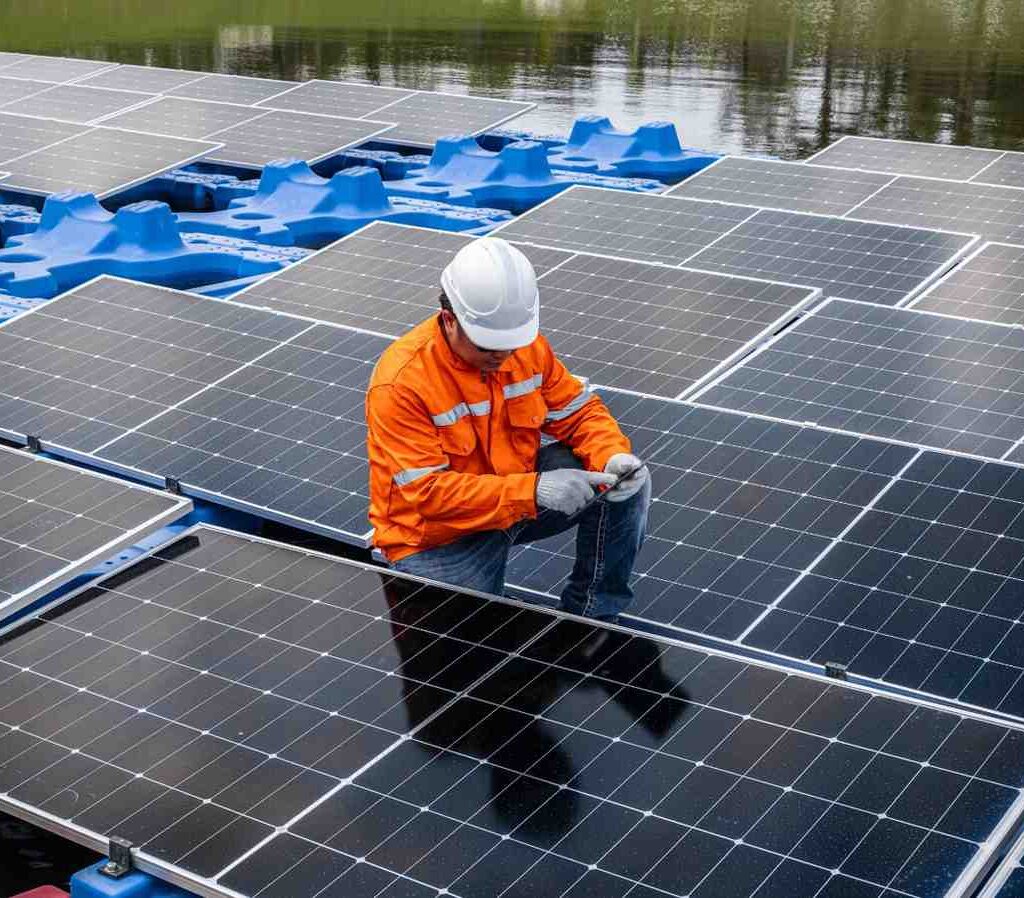
To maximize Solar Panel Lifespan in Kerala, regular maintenance is essential. This includes cleaning the panels every 3 to 6 months, conducting annual inspections of wiring and components, monitoring system performance through inverter apps, and managing vegetation or shading around the panels. Opting for an Annual Maintenance Contract (AMC) further ensures consistent performance and helps prevent long-term damage.
Solar Lifespan vs ROI
A well-installed solar system in Kerala delivers:
● Lifespan: 25–30 years
● Payback: 4–6 years
● Long-term savings: ₹10–20 lakh for a 5 kW system
However, poor installation can reduce efficiency by 10–15% annually, significantly impacting returns.
Solar should be viewed as an infrastructure investment, where quality matters more than initial cost.
Why Rumion Power India Is the Right Solar Installation Partner in Kerala
Rumion Power India is recognized as one of the Best Solar Company in Kerala, with strong expertise in handling the state’s humid, high-rainfall, and coastal conditions. As an MNRE-approved vendor, the company ensures all installations meet required quality and compliance standards. The team conducts detailed site assessments covering roof structure, shading, wind exposure, and KSEB net metering feasibility before finalizing any system. Only climate-suitable components with proper IP ratings and corrosion resistance are used. Installations are carried out by licensed professionals, and the complete subsidy process is managed end-to-end. With AMC support, performance monitoring, and a 5-year workmanship warranty, Rumion Solar ensures reliable long-term performance.
Before You Sign Anything — A Final Checklist for Kerala Solar Buyers
Before choosing a vendor, confirm MNRE approval, KSEB registration, and availability of a licensed electrical contractor. Ensure a proper site visit is done, including roof analysis, shading check, and transformer capacity verification. The proposal should clearly mention panel and inverter models, mounting specifications, IP-rated components, expected generation, and cost breakdown. Warranty terms must be defined in writing, along with post-installation support such as monitoring, AMC, subsidy assistance, and net metering support.
Conclusion
Solar panel lifespan in Kerala is not ensured by the manufacturer alone. It is the result of the right technology, proper installation, and careful consideration of Kerala’s unique climate conditions. Understanding degradation rates, moisture resistance, installation standards, and vendor credibility is essential before making a decision. Choosing the right partner ensures not just installation, but long-term performance, reliability, and financial returns. When executed correctly, solar is one of the most stable and rewarding investments you can make in Kerala today.