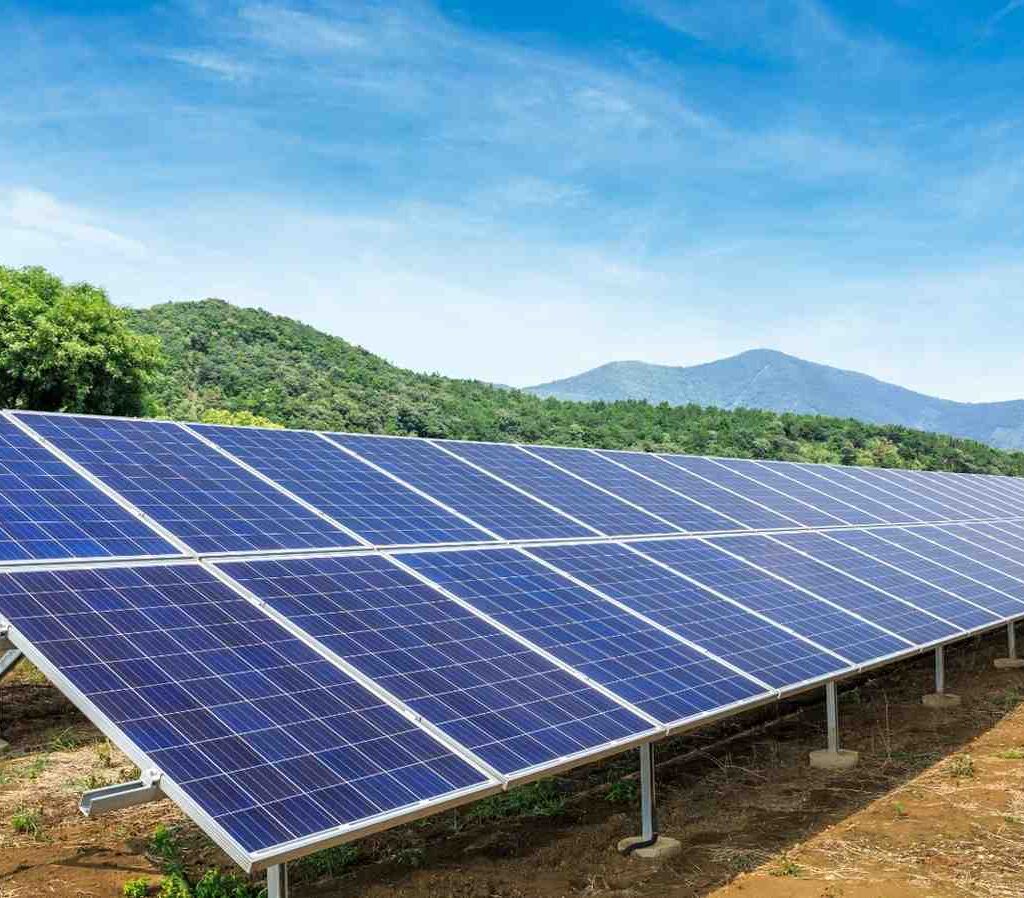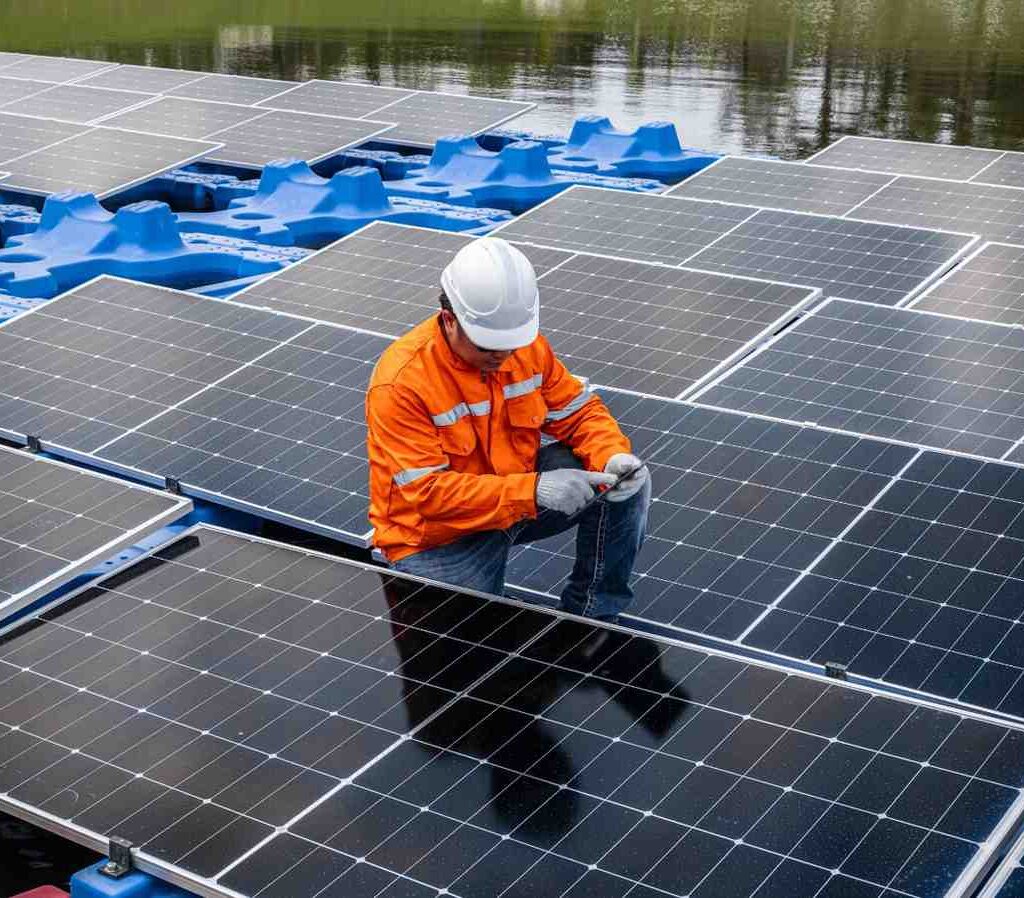

Understanding electricity bills and financial savings through solar installation is a practical subject for Indian homes and businesses facing steady power cost pressure. Electricity expenses rise due to tariff revisions, fuel charges, and higher unit use. Rooftop solar offers a strong solution by reducing grid dependency and converting sunlight into usable power. Solar electricity bill savings become visible from the first billing cycle when solar generation offsets grid units. With realistic cost recovery planning and expert execution by Rumion Power India, solar systems deliver steady long-term savings, predictable energy costs, and financial relief across residential and commercial sectors.
Structure of an Electricity Bill Explained
Electricity bills provide a detailed breakdown in accordance with electricity bill calculation methods, as well as the power tariff structure. They record units used (kWh) during the billing cycle, which determines energy charges. Meter rents, administration fees, and fuel surcharges are fixed costs, and the cost of generating power is reflected in the fuel surcharges. Taxes and other charges, such as GST and state-based fees, also add to the overall charge. Residential, commercial, and industrial tariffs vary based on usage patterns, peak-hour consumption, and slab rates. Awareness of these factors helps households and companies plan accurately for billing and potential savings on electricity bills from solar.
Why Electricity Bills Increase Every Year
Monthly power expenses rise due to several cost drivers that impact utilities and consumers. Rising electricity costs affect households and businesses without alternative energy sources. Solar installation benefits address these challenges directly.
- Fuel price changes increase thermal power generation costs, resulting in higher tariffs and rising electricity costs for consumers.
- Grid maintenance and infrastructure upgrades add additional charges that are passed on through monthly electricity bills.
- Peak hour penalties apply during high-demand periods, increasing per-unit rates for both homes and businesses.
- Growth in appliance usage and cooling systems leads to higher electricity consumption and larger monthly bills.
- Consumers have limited control over tariff revisions, which are revised regularly by power utilities.
- Without solar adoption, solar installation benefits are missed, leaving no long-term safeguard against annual bill increases.
How Solar Installation Reduces Electricity Bills
A rooftop solar system will directly reduce monthly electric costs by allowing self-utilisation of the solar energy, thus limiting the necessity of buying units of the electric grid. The cost of production of solar power is zero fuel cost, which offers a steady supply of power without the recurrent utility payments. Besides, the use of solar will help the users have certainty of the electricity cost even in the event of an increase of the tariff in the future. Homeowners and businesses save significant solar electricity bill savings by producing and using their own electricity and, by lowering reliance on grid electricity, solar installation becomes a viable, long-term energy saving strategy that will result in reduced energy costs and greater economic stability.
Net Metering and Its Role in Financial Savings
Net metering allows solar users to export excess electricity generated by rooftop systems to the utility grid. Under net metering Kerala, the meter records both imported units drawn from the grid and exported units sent back during surplus generation. Monthly bills are calculated on the net difference, and surplus export units are adjusted as credits, reducing payable amounts. KSEB net metering follows defined eligibility rules, including grid-connected systems, approved capacity limits, and utility inspection. This mechanism improves financial savings by maximizing solar generation value and lowering effective electricity costs.
Solar Panel Subsidy and Its Effect on Payback Period
Government support reduces the upfront cost of rooftop systems and improves returns. solar panel subsidy schemes apply mainly to residential users. KSEB and MNRE approved solar vendors in Kerala manage compliance and documentation.
- Central subsidy is linked to the installed solar system capacity, with higher capacities receiving proportionate financial support.
- Slab-based benefits are designed for small and medium homes to reduce upfront installation costs.
- Eligibility is strictly tied to grid-connected rooftop solar systems approved by the utility.
- The subsidy process involves online application submission followed by technical inspection.
- Vendor-led installation and commissioning ensure compliance with subsidy and utility guidelines.
- Reduced capital cost leads to a faster payback period and improved financial returns.
Cost of Solar Installation Compared With Monthly Electricity Bill Savings
Comparing costs and savings helps evaluate the value of solar systems for homes and businesses. Solar installation cost varies by system size, with larger systems requiring higher upfront investment but delivering greater energy output. Monthly electricity bills before solar often reflect significant grid dependency, while bills after solar installation drop substantially due to self-consumption. Estimated annual savings accumulate over time, offsetting the initial investment. By analyzing these numbers, consumers can make informed decisions, understand the financial benefits of solar, and plan for long-term electricity cost reduction.
Return on Investment and Payback Timeline
Understanding the financial performance of a solar system is crucial for planning. Solar ROI depends on the initial investment, electricity savings, and system efficiency. Solar payback period is calculated by dividing the total installation cost by annual savings, showing how long it takes to recover the investment. Say, 3-5 years in residential installations and 12-18 months in Commercial installations. For residential and Agricultural projects, Government subsidies reduce upfront costs, improving ROI and shortening payback time. System lifespan and warranty periods ensure continued electricity generation for 25–30 years. After the payback phase, users enjoy virtually free electricity, maximizing long-term savings and financial returns from solar installation.
Solar Savings for Residential Users
Residential solar systems provide significant electricity savings for homes, apartments, and villas. Typical household consumption patterns, including lighting, appliances, and cooling loads, determine the ideal system size for each home. A properly sized residential solar system ensures maximum self-consumption and a visible reduction in electricity bills. For example, a 3–5 kW system can save thousands of rupees annually for an average household. In apartments, solar for homes Kerala extends to common areas such as lighting and water pumps, reducing shared electricity costs and delivering long-term financial benefits to all residents.
Solar Savings for Commercial and Industrial Users
Commercial and industrial solar systems offer substantial financial benefits for shops, offices, factories, and institutions. Daytime energy consumption aligns with solar generation, allowing businesses to use self-produced electricity and reduce grid dependency. High tariff slab savings occur as solar offsets expensive peak-hour units. Demand charge reduction further lowers monthly bills by cutting peak load drawn from the grid. Overall, solar improves business cash flow by providing predictable energy costs, reducing operating expenses, and enhancing long-term profitability, making a commercial solar system a smart investment for sustained electricity cost savings.
Location-Based Solar Installation Benefits in Kerala
Solar installation in Kerala offers excellent opportunities due to high sunlight availability and favorable policies. Local conditions are considered to design systems for maximum efficiency. Professional solar panel installers in Ernakulam provide tailored solutions for homes and businesses, ensuring proper system sizing and orientation. Solar panel installation services in Kottayam support both residential and commercial projects with expert installation, maintenance, and compliance. The local approval and inspection process guarantees adherence to utility and safety standards. Area-specific expertise ensures higher energy generation, reliable performance, and long-term electricity cost savings.
Role of Professional Solar Installers in Accurate Savings
Achieving real solar electricity bill savings relies on high-quality system design and installation. Solar panel installation experts conduct thorough load assessment and system sizing to match household or business consumption. Proper panel orientation and shading analysis ensure maximum energy generation. Inverter selection is critical for efficient power conversion and reliable performance. Monitoring and maintenance planning help sustain system output over time. Trusted providers like Rumion Power India manage the entire process, from design to commissioning, ensuring long-term efficiency, accurate savings, and optimal financial returns from solar installation.
Common Billing Mistakes Solar Users Should Avoid
Protecting expected financial benefits requires avoiding common pitfalls that reduce solar efficiency. Oversizing or under sizing systems can lead to wasted investment or insufficient energy generation. Ignoring shadow analysis decreases output and lowers solar electricity bill savings. Delays in net metering approval may cause billing discrepancies and missed credits. Poor maintenance practices, such as dirty panels or neglected inspections, reduce system performance over time. Awareness of solar billing issues and careful monitoring prevent electricity bill mismatch, ensuring consistent savings and maximizing the financial advantages of a rooftop solar system.
Conclusion
Understanding electricity bill and financial savings through solar installation highlights how tariffs, system design, and government subsidies translate into real solar electricity bill savings. Partnering with approved vendors ensures accurate installation, reliable performance, and proper billing. Solar installation delivers long-term financial stability through solar, supported by trusted solutions from Rumion Power India and our premium Rumion Solars. Homes and businesses can lower dependence on rising grid costs while enjoying predictable energy expenses and sustained savings over the years.
Get in Touch Today with Rumion Power India and transform your electricity bills into guaranteed long-term savings with our premium solar panels.