If you have noticed how fast solar energy is growing, you’re absolutely right. We have moved far beyond small rooftop panels to large and grid-connected solar farms that generate power at an incredible scale. With electricity costs rising and businesses committing to cleaner energy, the demand for utility-scale solar is stronger than ever. For property owners in Kerala, this raises a practical question: can your land generate a steady income? As the demand for reliable solar installation in Kerala grows, more landowners are partnering with the best solar companies in Kerala to turn land into a stable and long-term revenue source.
What Is a Solar Farm and How Does It Differ From Rooftop Solar
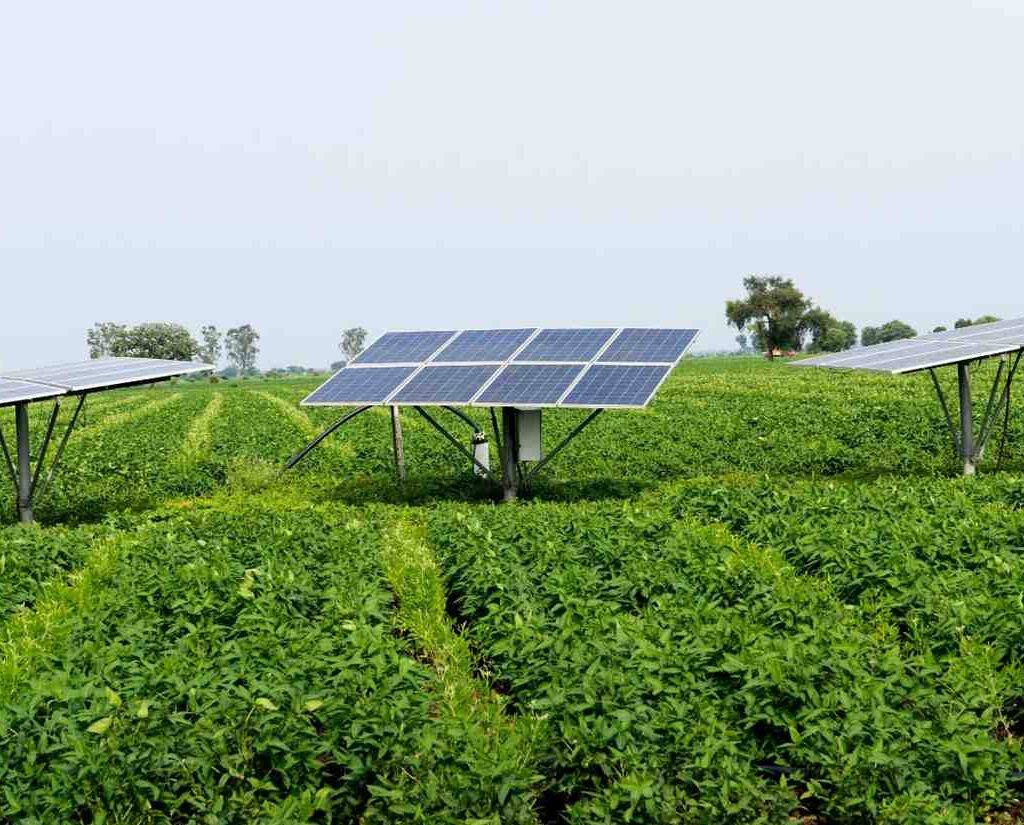
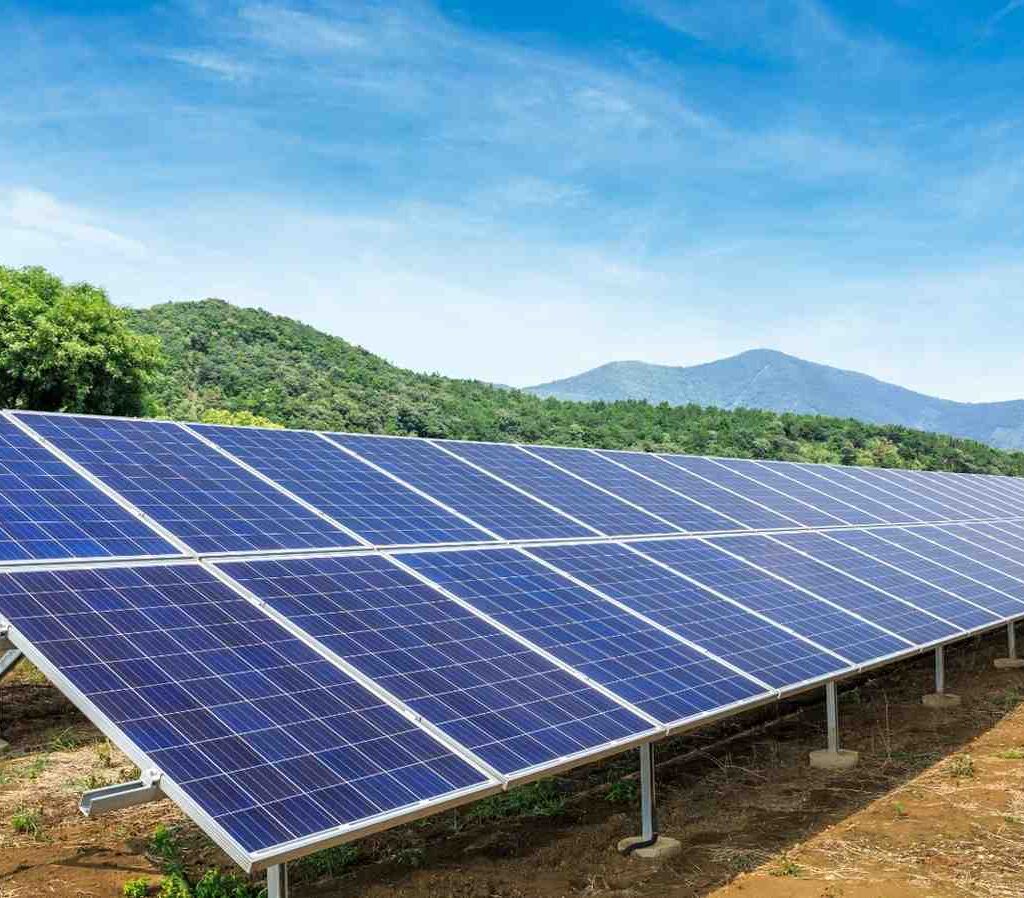
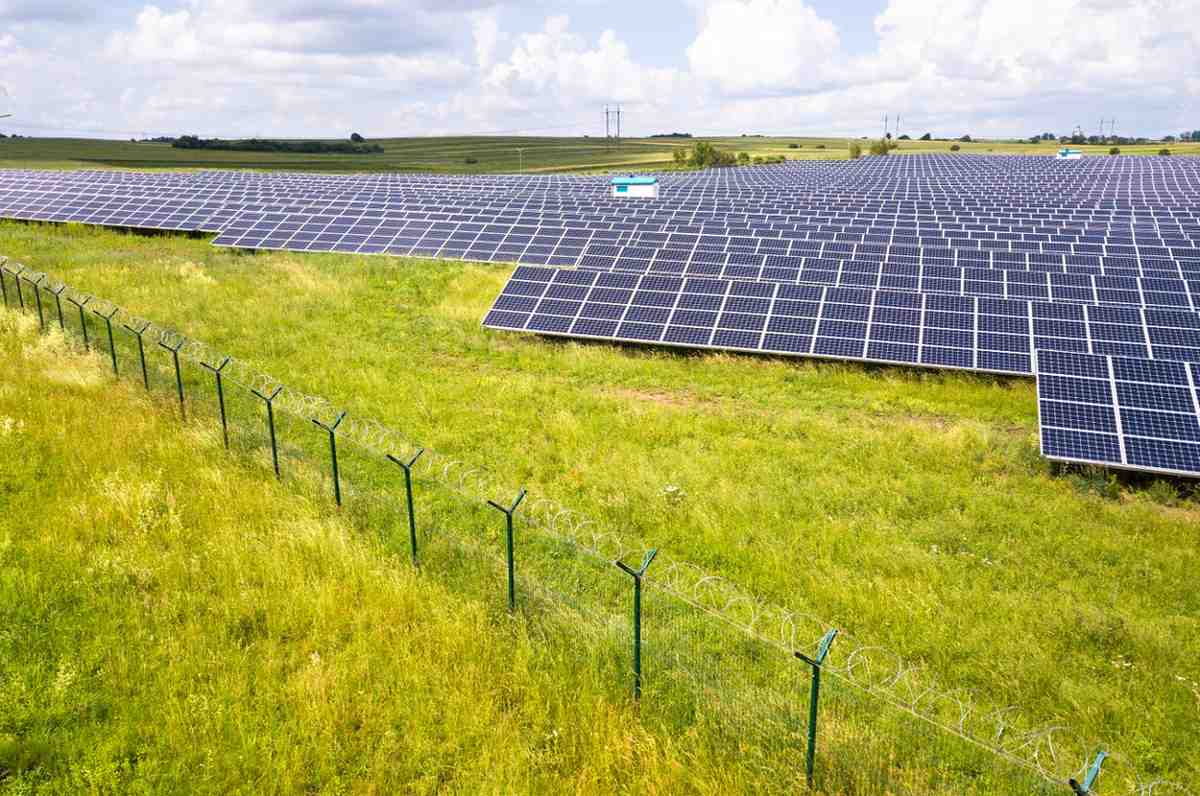
A solar farm or photovoltaic power station is a large ground-installed facility that generates electricity and feeds it directly into the utility grid. Unlike rooftop systems built for homes or commercial buildings, solar farms operate at a megawatt scale and are designed for bulk power generation.
A ground-mounted solar system is installed on open land using engineered structures. Rooftop systems typically range from 1 kW to 500 kW, whereas solar farms begin at 1 MW and can extend beyond 100 MW.
Rooftop solar reduces on-site electricity bills, while solar farms produce power for grid sale, open access supply, or captive industrial use through dedicated transmission infrastructure.
How a Solar Farm Works – Step-by-Step Power Generation
Understanding the solar farm’s working principle highlights why it is considered a secure infrastructure asset.
- Sunlight Absorption
High-efficiency panels mounted on ground structures to absorb sunlight and convert it into Direct Current electricity.
- DC Power Collection
Panels are connected in strings. These strings combine at junction boxes where DC power is aggregated.
- Inverter Conversion
String or central inverters convert DC into Alternating Current. This is a critical stage in the solar electricity generation process.
- Voltage Stepping via Transformer
Generated AC power passes through transformers to step up voltage to grid-compatible levels.
- Grid Synchronization and Export
The synchronized power is exported through dedicated transmission lines into the utility grid.
Each stage is engineered for efficiency, safety, and compliance with national standards.
Key Components Used in a Solar Farm Project
A solar farm is a capital-intensive engineered system. Core solar farm components include:
- High-capacity mono or bifacial modules
- String and central inverters
- Galvanized mounting structures with deep foundations
- Power transformers and switchgear panels
- SCADA-based monitoring and communication systems.
These utility-scale solar equipment components determine long-term output, durability, and ROI.
Land Requirements for Setting Up a Solar Farm
A clear understanding of Solar farm land requirements and Land eligibility for solar projects is essential before initiating any utility-scale development.
- Minimum land area per MW
Land allocation typically ranges between 3 to 4 acres per MW, depending on panel efficiency, site layout, and access spacing.
- Flat vs sloped land suitability
Solar farms function most efficiently on flat or mildly sloped land, since steep slopes add engineering complexity and expenses.
- Soil condition and bearing strength
Strong soil bearing capacity ensures stable mounting foundations. Geotechnical testing is necessary before construction.
● Access Roads and Evacuation Distance
Efficient road access is necessary for construction and maintenance, while a shorter evacuation distance lowers transmission investment.
● Land Ownership and Documentation
Verified land titles and compliance with local regulations are essential for approvals and long-term project stability.
Types of Solar Farms Based on Business Models
- Utility-owned solar farms
Developed and operated by power distribution or generation companies. Electricity is supplied directly to the grid under long-term power purchase agreements.
- Captive Solar Power Plants
Captive solar power plants are developed exclusively for a particular industry to meet its internal electricity requirements, reducing dependency on external suppliers.
- Third-party-owned solar farms
Under this model, a private company builds and runs the solar plant, then sells the electricity to utilities or businesses through agreed contracts.
- Land-lease-based solar projects
Landowners lease their land to a solar developer and receive a fixed yearly income, while the developer takes care of funding, building, and running the project.
- Government tender-linked projects
Government tender-based projects are allocated through competitive bidding under state or central renewable energy programs, where tariffs are finalized through a transparent selection process.
Leasing Land for a Solar Farm – Income Model Explained
Leasing land for a solar farm offers predictable Solar land lease income without requiring any upfront investment. In this model, solar developers pay a fixed annual lease amount, usually calculated per acre. Lease terms typically range from 20 to 30 years, with defined renewal options and periodic escalation clauses to address inflation. Payments are secured through formal legal agreements, often supported by financial guarantees. The landowner’s responsibility is limited to providing clear documentation and uninterrupted site access. This makes solar farm land leasing a long-term and low-risk income opportunity.
Converting Your Own Land Into a Solar Farm Project
Choosing Solar farm investment through direct development offers higher long-term returns compared to leasing. This model requires capital expenditure covering modules, inverters, civil works, grid connectivity, and approvals. Unlike leasing, where income is fixed, Solar power plant ownership allows revenue generation through electricity sales. Power can be sold to the utility under a PPA, through open access to private buyers, or used for captive consumption. While ownership carries higher financial exposure and operational responsibility, it provides stronger long-term revenue planning flexibility and asset appreciation potential. Investors must assess risk, tariff stability, and return expectations before proceeding.
Government Rules, Permissions, and Compliance
Solar farms must align with national and state regulatory frameworks. Projects are required to meet MNRE technical standards and comply with grid interconnection guidelines. Approvals such as electrical safety certification, load flow analysis and transformer clearance are essential before commissioning. Partnering with MNRE-approved Solar Vendors and KSEB-approved solar vendors in Kerala helps streamline documentation, improve coordination with the utility, and ensure timely project execution without regulatory delays.
Role of Professional Solar Companies in Solar Farm Success
As highlighted in this Solar Farm Explained guide, the success of a solar farm mostly depends on expert execution. Companies providing solar installation services in Kerala begin with detailed feasibility assessments, solar irradiation studies, and accurate yield forecasting. Their engineering teams create optimized plant layouts to enhance generation efficiency and minimize technical losses. From handling statutory approvals to overseeing construction and commissioning, professional solar firms can manage the entire lifecycle. Working with the best solar company in Kerala ensures reliable operations, structured maintenance, and sustained performance over the long term.
Solar Farm Construction and Installation Workflow
A systematic Solar farm EPC process is the core of any successful large-scale solar development. The work begins with detailed site preparation.
Land is cleared, leveled, and graded to ensure proper drainage and a stable base for long-term structural performance. After the groundwork is completed, mounting structures are installed according to soil conditions and engineered wind load standards. Solar modules are carefully mounted and aligned to capture maximum sunlight. Underground cabling and trenching link the arrays to inverters and step-up transformers, ensuring seamless power flow within the system.
Before commissioning, the project undergoes system testing, relay protection validation, and grid connection approval. Once compliance is confirmed, the plant begins commercial electricity generation.
Monitoring, Maintenance, and Performance Tracking
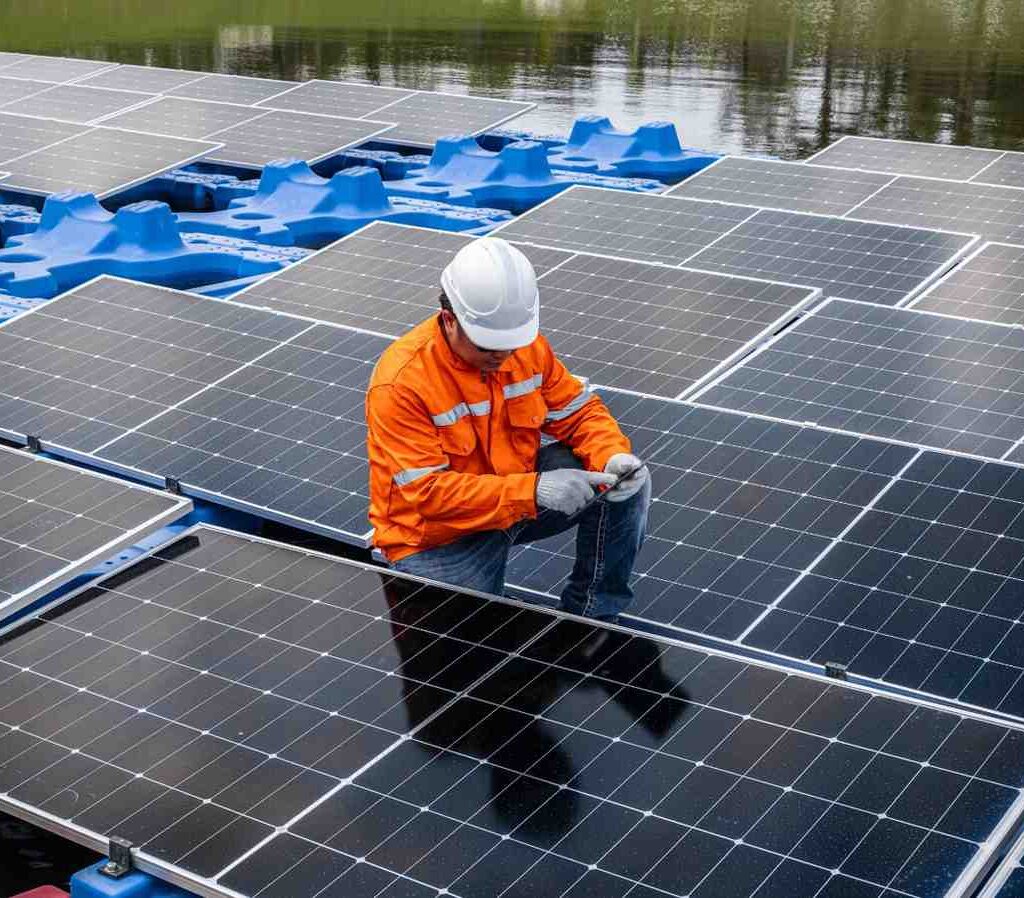
A strong Solar farm monitoring system ensures consistent output and financial stability. Real-time generation tracking allows operators to monitor plant performance and compare actual output against projected yield. Preventive electrical inspections help detect potential faults before they impact production. Regular panel cleaning schedules maintain efficiency, especially in dust-prone regions. Fault detection systems identify inverter or string-level issues quickly, reducing downtime. Annual performance reviews assess generation trends and overall plant health. Professional providers of Solar Panel Maintenance Service Kerala play a key role in protecting long-term returns.
Long-Term Maintenance and Asset Care
Effective Solar farm maintenance services extend system life beyond 25 years. Routine inverter servicing ensures stable power conversion efficiency. Vegetation control prevents shading losses and protects cabling infrastructure. Structural inspections confirm mounting integrity and safety compliance.
In regions like Kerala, weather-related risk management is essential to handle heavy rains and wind exposure. Asset life extension practices, including periodic system upgrades and preventive servicing, safeguard long-term productivity. A reliable, best solar service team in Kerala ensures sustained performance across decades.
Financial Viability and Return Expectations
Understanding Solar farm ROI requires careful evaluation of capital investment, operational expenses, land cost, and grid connectivity charges. Energy generation estimates are calculated using irradiation data, system design, and performance ratios.
Revenue models may include PPA-based sales, captive savings, or open access supply arrangements. Payback periods generally range from 5 to 8 years, depending on project size and tariff structure. Over time, Solar power plant earnings become stable, offering predictable long-term income with relatively low operational volatility.
Environmental and Community Impact of Solar Farms
Solar farms significantly contribute to clean energy generation and broader renewable energy benefits. They reduce carbon emissions by replacing fossil fuel-based power sources. Large-scale installations also improve land productivity by turning unused land into energy assets. Construction and maintenance activities create local employment opportunities. At a macro level, solar farms strengthen regional energy independence and support India’s sustainability commitments.
Industry-Level Observations From Existing Solar Farm Projects
Recent projects highlight clear Solar farm best practices. Investors now prioritize education, transparency, and structured reporting before committing capital. Grid stability and continuous monitoring have become essential performance indicators. There is a growing preference for experienced EPC partners capable of handling technical and regulatory complexity. Modern utility solar project planning increasingly relies on data-driven performance analysis and predictive maintenance strategies to maximize yield.
Why Rumion Power India Is a Reliable Partner for Solar Farm Projects
Rumion Power India approaches projects with engineering-led feasibility studies that assess land suitability, yield potential, and financial viability. The company deploys approved components and certified installation processes aligned with national standards. With structured execution timelines and defined project milestones, Rumion Solar ensures predictable delivery. Dedicated service and maintenance teams provide continuous support after commissioning. As a recognized provider of solar installation services in Kerala and positioned among the best solar company in Kerala, the company delivers end-to-end project reliability.
Who Should Consider Leasing or Developing a Solar Farm
Solar farm landowners with sizable landholdings can generate stable income through leasing or solar development. Industrial power consumers aiming to reduce electricity costs may explore captive solar ownership. Institutions with long-term energy requirements, such as educational campuses or healthcare facilities, can stabilize operational expenses through solar investment. Infrastructure developers and Solar energy investors view utility-scale projects as reliable, long-term infrastructure assets.
Conclusion
The solar farm explained guide clearly shows that this approach is a structured infrastructure investment capable of delivering predictable, long-term returns. Solar farm land leasing provides steady income with minimal operational involvement, while ownership models suit investors seeking higher returns and asset control. With proper planning and compliance, risks can be effectively managed. Partnering with experienced professionals simplifies approvals, construction, and long-term operations. For those considering Solar Installation in Kerala and working with MNRE-approved Solar Vendors, companies like Rumion Power India provide the technical expertise and structured execution needed to transform land into sustainable energy assets.