Rising electricity costs significantly impact commercial consumers each year. Commercial Establishments, Malls, Retail Shops, Schools, Factories, Hospitals, Hotels & Resorts, Cinema Theaters and IT parks rely heavily on daytime power consumption and operate for long hours with consistent usage patterns. As a result, electricity becomes one of the largest operational expenses, but also one that can be strategically managed. Commercial solar can fix the problem. Instead of considering electricity as a fluctuating expense, businesses can convert it into a long-term asset. A well-designed solar plant helps control energy expenditure and strengthens financial planning. Companies like Rumion Power India focus on structured commercial solar implementation, enabling businesses to gain greater control over their power costs. For organizations evaluating the best solar company in Kerala, engineering expertise and financial transparency should outweigh marketing promises.
What Is Commercial Solar Power and How It Works
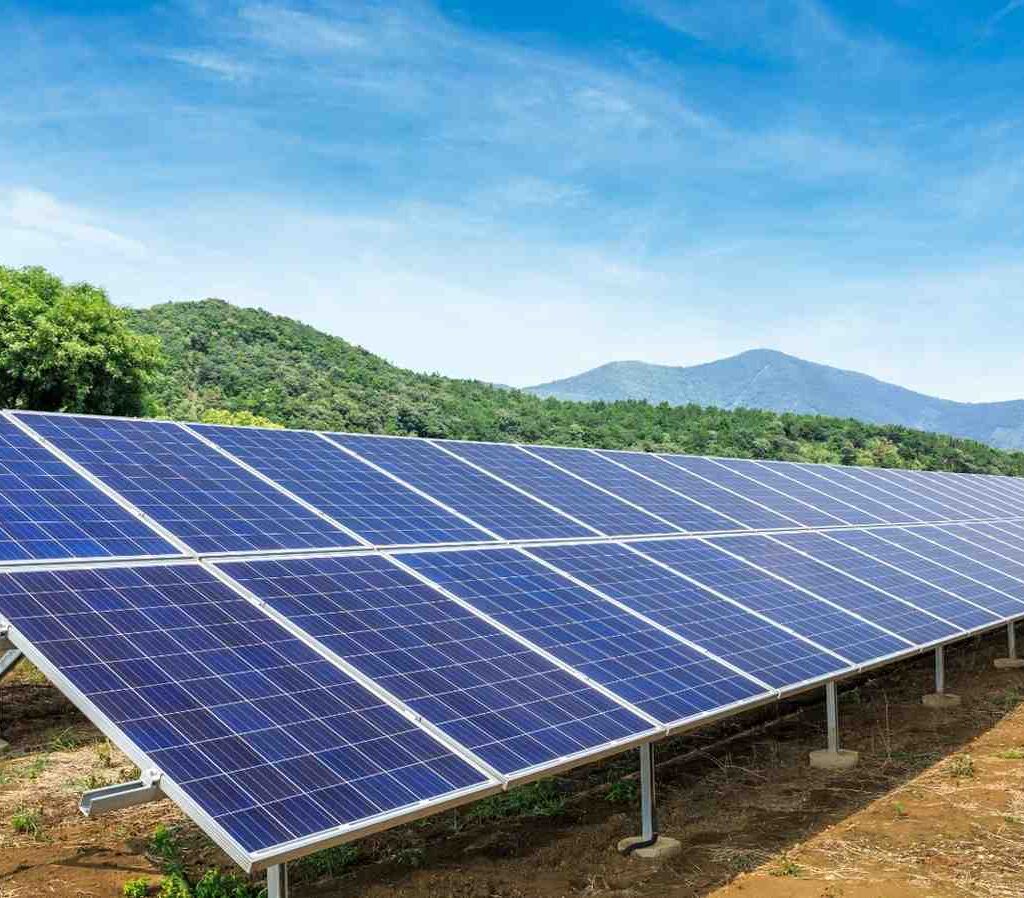
A Commercial solar power system is a rooftop or ground-mounted solar installation designed specifically for business establishments. Unlike residential systems, which are typically smaller and designed for homes, commercial installations are engineered for higher energy loads and longer operating cycles.
The main differences come from system size, engineering requirements, and energy demand complexity. Commercial installations involve detailed load analysis, structural checks, and coordinated grid integration.
Typical system sizes include:
- Small shops and offices: 10 kW to 50 kW
- Medium factories and hospitals: 50 kW to 250 kW
- Large industrial units and IT parks: 500 kW to multi-megawatt capacity
Most installations follow a Grid-connected commercial solar model. Here is how it works:
- Solar panels generate DC power during daylight.
- Inverters convert DC into usable AC power.
- The generated electricity is consumed directly within the premises.
- If excess power is produced, it flows to the grid under net-metering regulations.
The system prioritizes self-consumption, reducing grid dependency and lowering monthly bills.
Why Solar Installation Makes Sense for Commercial Connections
Commercial power demand usually peaks in daytime hours, which matches perfectly with when solar systems produce energy.
High Daytime Power Consumption Advantage
Most businesses operate between 9 AM and 6 PM. Solar generation peaks during these hours.
- Solar output matches business operating hours.
- Direct consumption reduces reliance on the grid.
- Lower draw from the grid means reduced peak-hour charges.
This alignment makes commercial electricity usage patterns highly compatible with solar adoption.
Long-Term Cost Control for Businesses
Electricity rates continue to rise over time. Solar helps stabilize this risk.
- Protection from tariff hikes.
- Fixed generation cost once the system is installed.
- Predictable operational expenses for 20 to 25 years.
These Commercial solar cost savings bring financial stability.
Improved Cash Flow and Profit Margins
Electricity savings begin immediately after commissioning.
- Monthly power bills have reduced significantly.
- Savings can be redirected into expansion or operations.
- Energy becomes a controlled overhead instead of a volatile expense.
This strengthens Solar ROI for businesses over time.
Financial Benefits of Commercial Solar Power Systems
The Commercial solar financial benefits extend beyond simple bill reduction.
- Annual electricity expenditure decreases substantially.
- Businesses can claim accelerated depreciation benefits under accounting provisions.
- Solar assets typically operate efficiently for 25 years or more.
- Recurring costs remain minimal after installation.
After the initial investment is recovered, the system keeps producing electricity at virtually no cost, strengthening overall profits.
Understanding the Commercial Solar Break-Even Period
The commercial solar break-even period refers to the time required for a business to recover its initial solar investment through savings on electricity bills.
What is the Break-Even Period in Commercial Solar
Break-even refers to the point where total savings equal total investment.
- It connects installation cost with monthly savings.
- Before break-even, savings offset capital cost.
- After break-even, the system enters a pure profit phase.
Accurate Commercial solar break-even calculation depends on data-driven analysis.
Factors That Influence Break-Even Timeline
Several Solar plant ROI factors impact recovery time:
- System size and installed capacity
- Applicable electricity tariff slab
- Daily consumption levels
- Roof availability and orientation
- Equipment quality and performance efficiency
Proper design shortens the recovery period.
Typical Break-Even Range for Commercial Solar in Kerala
When calculating commercial solar ROI in Kerala, general ranges are:
Irrespective of the size of installation, all commercial plants will manage its break-even in 2 to 4 years
After the commercial solar break-even period, businesses access 16 to 20 years of zero -cost energy.
Equipment Selection and Its Impact on Commercial Solar Performance
In commercial solar projects, the performance quality heavily depends on the right equipment selection. High-efficiency panels can help to maximize output, especially on large rooftops where space must be used effectively. Reliable inverters are equally important, as commercial systems operate under continuous daytime loads and require stable performance. Durable, and industrial-grade components ensure consistent generation despite heat, humidity, and long operating cycles. Sourcing products through trusted suppliers, including Adani approved solar dealers in Kerala, adds warranty security and long-term reliability. In commercial projects, equipment quality defines system stability and financial outcomes.
Installation Quality and Engineering Precision
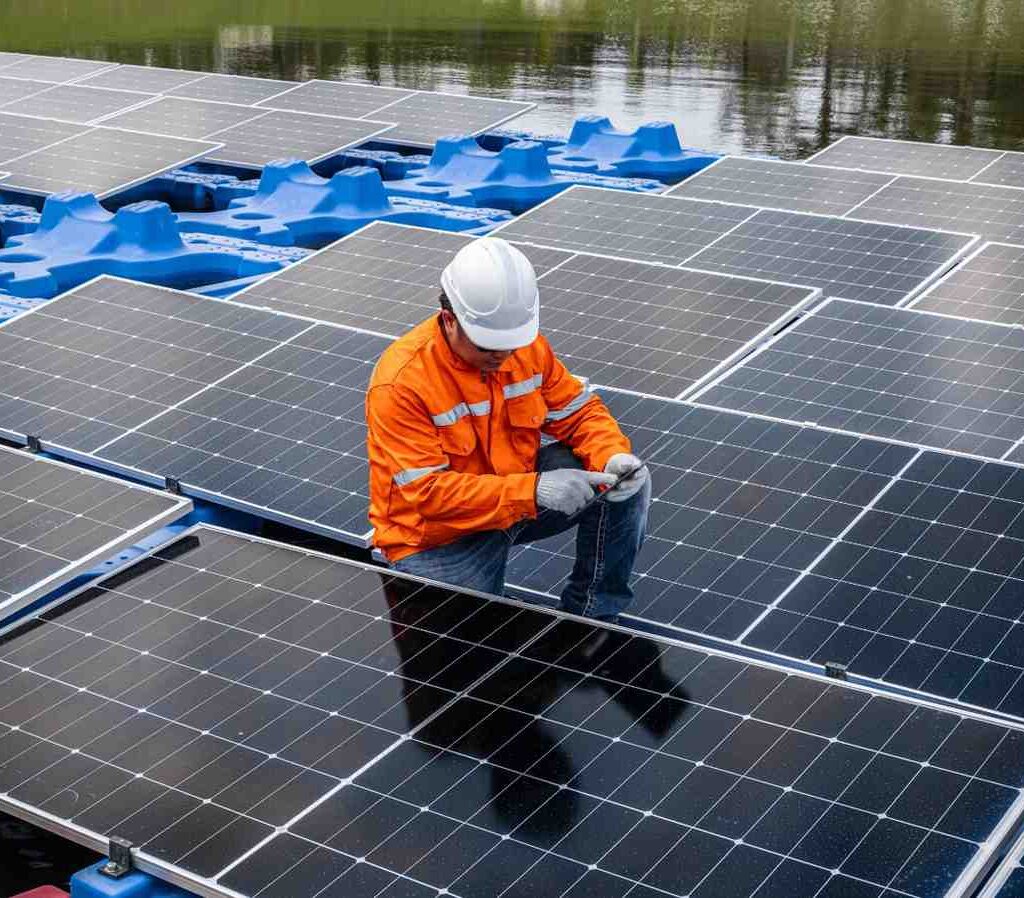
Even high-quality equipment cannot deliver optimal results without proper installation. Structural safety assessment is critical for large rooftops to ensure load bearing capacity. Electrical load balancing prevents system stress and ensures smooth energy flow. Correct cable sizing reduces transmission losses and improves efficiency, while proper inverter ventilation prevents overheating and downtime. Compliance-driven installation practices followed by experienced solar panel installers in Ernakulam ensure grid approval, operational safety and long-term system stability.
Maintenance Role in Sustaining Commercial Solar Returns
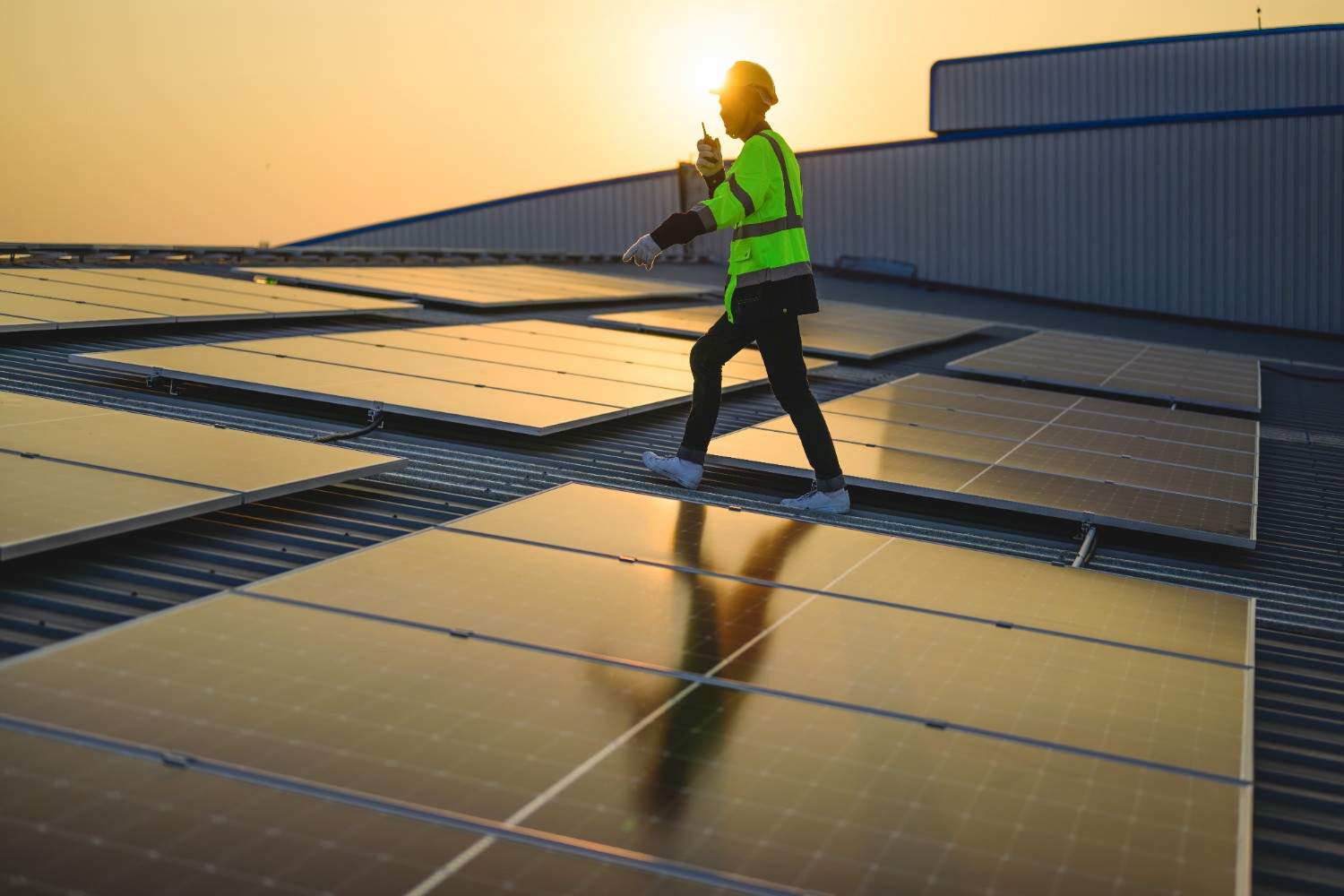
Regular maintenance protects commercial solar returns over time. Periodic panel cleaning directly improves energy generation by removing dust and debris. Preventive electrical inspections help detect minor issues before they affect output. Continuous inverter health monitoring ensures consistent system performance. With structured support from solar panel maintenance service Kerala, businesses can maintain long-term output consistency and extend the overall lifespan of their solar assets.
Commercial Solar Applications Across Business Segments
Commercial solar applications are expanding across industries:
- Manufacturing units reduce heavy operational loads.
- IT parks and office buildings stabilize energy budgets.
- Hospitals and educational institutions secure an uninterrupted supply.
- Retail outlets and warehouses lower overheads.
- Hotels and hospitality chains manage high daytime consumption efficiently.
Each segment benefits from predictable energy cost management.
Risk Factors and How Professional Planning Reduces Them
Commercial solar projects involve capital and compliance considerations.
Key risks include:
- Incorrect system sizing
- Poor equipment selection
- Weak maintenance planning
- Grid non-compliance issues
Strong Commercial solar risk management comes from experienced EPC teams that conduct detailed load studies, structural audits, and regulatory coordination before execution.
Insights From Existing Commercial Solar Installations
Established commercial solar projects are built on clear financial planning and disciplined execution. Instead of promising unrealistic returns, they present clear savings estimates and practical payback timelines. Businesses value systems that deliver constant performance and minimal downtime, because reliability directly affects financial results.
Regular maintenance planning and ongoing performance monitoring keep energy generation consistent year after year. In real-world installations, success comes from transparency, steady output, and responsible management. These commercial solar best practices focus on long-term stability rather than short-term marketing claims.
Why Businesses Choose Rumion Power India for Commercial Solar
Rumion Power India stands out for its strong engineering foundation and structured project planning. The company emphasizes transparent financial projections, approved components, and methodical project implementation. With experienced commercial installation teams and long-term monitoring support, Rumion Solar delivers structured performance assurance. Businesses evaluating the best solar company in Kerala typically prioritize technical expertise, execution strength, and dependable post-installation service.
How to Evaluate Whether Commercial Solar Fits Your Business
A proper Commercial solar feasibility assessment helps businesses make informed decisions. Key evaluation points include:
- Monthly electricity bill analysis
Review past 6 to 12 months of electricity bills to understand total consumption, tariff slab, peak demand charges, and seasonal variations. This helps estimate potential savings.
- Roof area and shadow assessment
Check available rooftop space, orientation, and structural strength. Ensure the area is largely free from shading caused by nearby buildings, trees, or equipment.
- Load profile review
Analyze how much electricity is consumed during daytime hours. Higher daytime usage improves direct solar consumption and strengthens ROI.
- Financial expectation alignment
Compare projected investment with expected savings and break-even period. Ensure the return timeline matches your business’s financial strategy.
- Consultation with professional installers
Engage experienced solar engineers to conduct technical surveys, structural checks, and financial modeling before finalizing system size.
A structured evaluation ensures the system fits operational needs and delivers predictable long-term returns.
Conclusion
Commercial solar power reduces energy risk and transforms electricity into a controlled asset. With proper planning, break-even is reached within a predictable period, followed by years of consistent savings and improved profitability. Regular maintenance keeps the system running efficiently and extends its lifespan, ensuring that expected savings actually translate into real results. The long-term performance of any commercial solar system relies on sound technical design and structured implementation. Businesses assessing the best solar company in Kerala should focus on technical expertise, transparent cost estimates, regulatory compliance, and reliable long-term service support to secure constant and measurable returns.