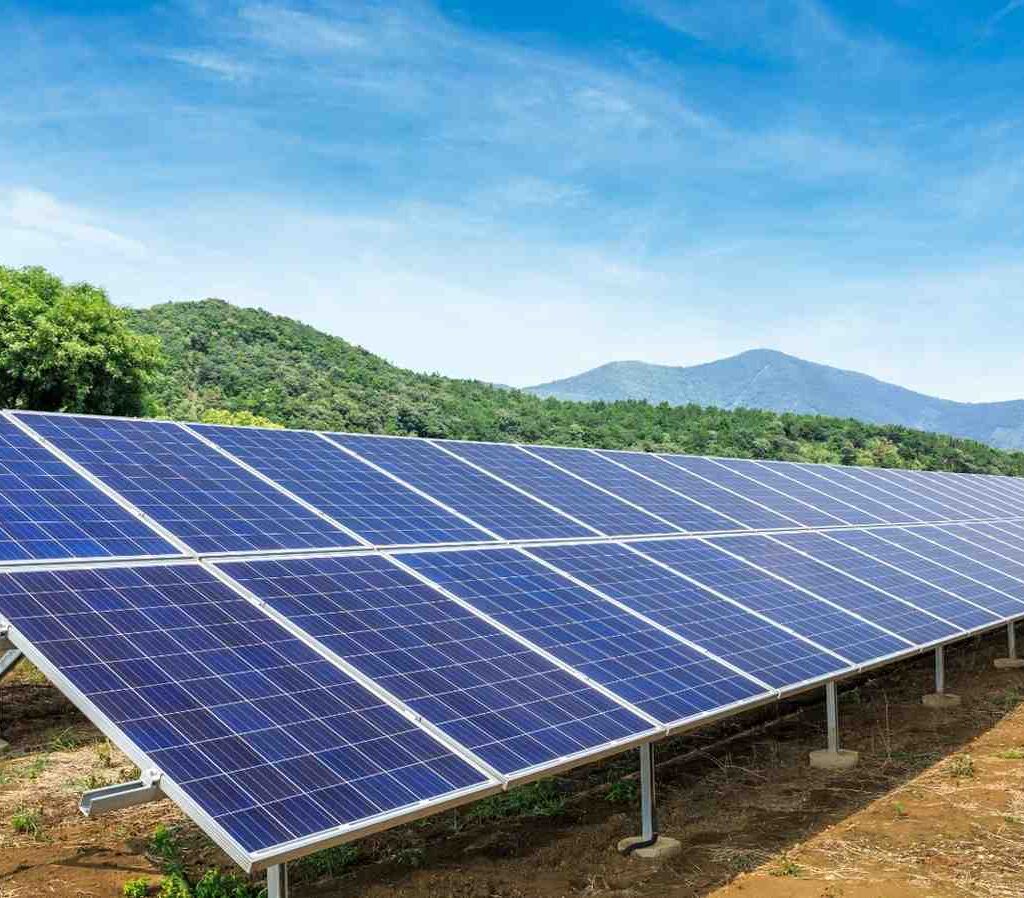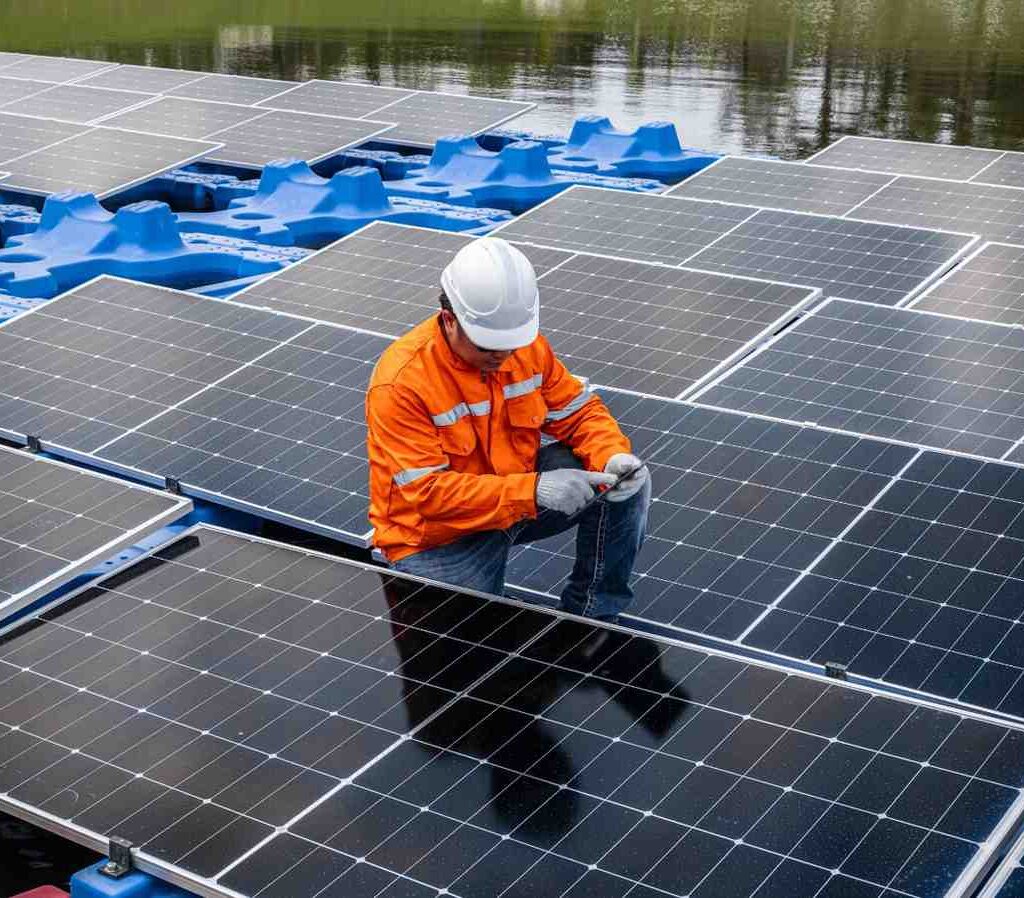
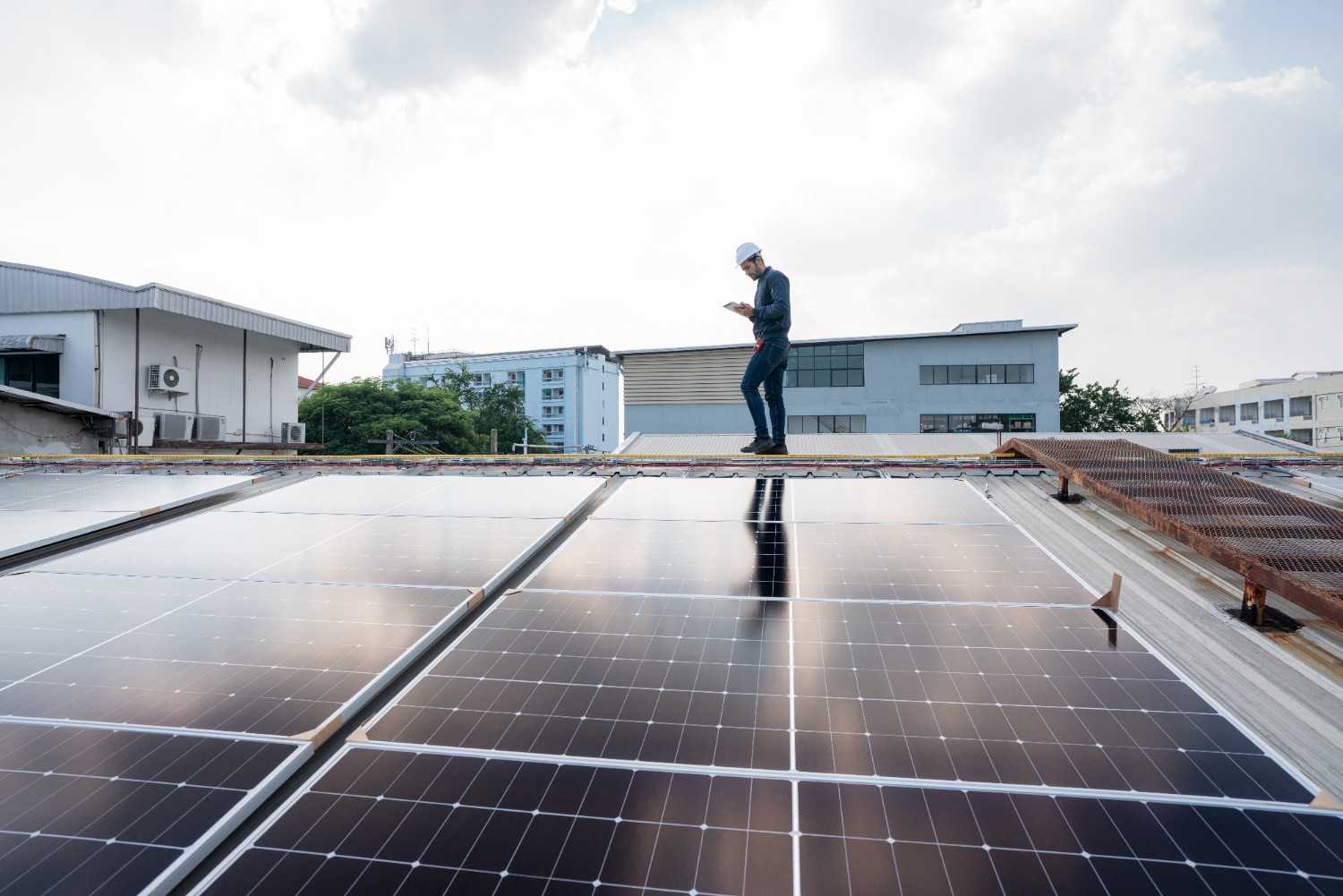
Power reliability is non-negotiable in healthcare, with hospitals operating 24/7 and consuming high levels of electricity. In Kerala, rising tariffs and increasing diesel costs are turning energy into one of the largest recurring expenses. Heavy dependence on grid supply further adds pressure, where even small inefficiencies can lead to significant financial impact. This is where solar power for hospitals and healthcare facilities in Kerala becomes a smart and cost-efficient solution. It aligns with daytime energy demand, reduces generator usage, and delivers predictable long-term savings. With strong expertise in solar installation in Kerala, Rumion Solar enables healthcare facilities to transition toward a more stable, sustainable, and financially efficient energy model through advanced solutions from Rumion Power India.
Energy Consumption Pattern in Hospitals
Understanding Power Usage Across Medical Facilities
Hospitals operate with complex and continuous energy demands. Key hospital energy consumption areas include:
● ICUs and Operation Theatres
High-load, sensitive equipment requiring uninterrupted power
● Diagnostic Equipment
MRI, CT scans, X-rays, and lab machinery consume substantial electricity
● HVAC and Ventilation Systems
Critical for infection control and patient comfort
● Lighting and Support Infrastructure
Corridors, wards, labs, and administrative spaces
● Day vs Night Consumption
● Daytime: Peak usage due to diagnostics and operations
● Nighttime: Stable load from ICUs and essential services
Understanding this pattern effectively helps to align demand for hospital solar power in Kerala.
Why Solar Power Fits Healthcare Facilities
Matching Solar Generation with Hospital Energy Needs
Solar energy aligns perfectly with hospital consumption patterns:
● Daytime Peak Usage = Maximum Solar Generation
● Reduces Diesel Generator Dependency
● Ensures Stable Power Supply for Critical Equipment
● Delivers Significant Electricity Cost Reduction for Hospitals
With the right system, hospitals can achieve both energy reliability and cost efficiency, making solar power for healthcare a strategic investment.
Types of Solar Systems for Hospitals
Choosing the Right Configuration
Hospitals require customized solar solutions based on their size and power needs, making healthcare solar installation in Kerala a critical step in ensuring efficiency, reliability, and long-term performance.
On-Grid Solar System Kerala
An on-grid solar system is best suited for large hospitals with a reliable KSEB power supply. It offers the lowest installation cost through net metering while significantly reducing monthly electricity bills. The system can be easily integrated with existing electrical infrastructure, making it a practical choice for established healthcare facilities.
Off-Grid Solar System Kerala
An off-grid solar system is ideal for rural healthcare centers and areas with frequent power outages. With battery support, it ensures 24/7 backup and an uninterrupted power supply. This makes it highly suitable for running critical loads such as ICUs and emergency units without disruption.
Hybrid Solar Systems
Hybrid solar systems are a strong choice for private hospitals and nursing homes that require both savings and reliability. They combine grid connectivity with battery backup and can automatically switch between solar, grid, and stored power. This ensures consistent performance and higher reliability for sensitive medical equipment.
Solar Water Heaters
Solar water heaters are suitable for all types of healthcare facilities and offer one of the fastest returns on investment. They reduce electricity consumption for heating purposes and are highly effective for applications such as OT sterilization, laboratory use, and patient services.
Solar Installation Setup for Hospitals
Step-by-Step Implementation Process
● Energy Audit and Load Assessment
Analyzes overall electricity usage, peak demand, and identifies critical loads like ICU and OT equipment.
● Site Feasibility Study
Evaluates rooftop space, structural strength, shading, and orientation to ensure efficient solar generation.
● System Design and Engineering
Develops a customized system layout based on energy needs, ensuring safety, efficiency, and optimal output.
● Approval Process
Handles required permissions, including net metering and regulatory approvals from local authorities.
● Installation and Commissioning
Installs the system with quality components and performs testing to ensure proper functioning.
● System Integration
Efficiently connects the solar system with grid supply and backup generators for uninterrupted power.
Net Metering and Billing Benefits for Hospitals
Reducing Monthly Electricity Expenses
Net metering is a powerful financial advantage:
● Export excess solar power to the grid
● Earn credits against electricity bills
● Reduce dependency on grid consumption
● Achieve consistent monthly savings
This makes hospital power cost reduction highly predictable and scalable.
Solar Panel Subsidy and Financial Support
Government Incentives for the Healthcare Sector
Kerala offers multiple financial support options:
Government Hospitals
● NHM Programme Implementation Plan supports solar adoption
● ANERT Surya Thejus Scheme for public healthcare
● IREDA loans at concessional 7- 8% interest
Private Hospitals & Nursing Homes
● KSEB Soura Program for net metering approvals
● SIDBI and IREDA green financing
● RESCO model: zero upfront investment, pay per unit
Note: Residential schemes like PM Surya Ghar do not apply to hospitals. Consulting Rumion Power India helps identify the best financing route.
ROI Analysis for Hospital Solar Projects
Financial Returns and Payback Timeline
Solar delivers strong and measurable ROI for hospitals.
Example: 50-Bed Private Hospital
● Monthly KSEB Bill: ₹2.25 lakhs
● System Size: 100 kWp (on-grid)
● Monthly Savings: ₹1.08 – ₹1.35 lakhs
● Installation Cost: ₹55 – ₹65 lakhs
● Payback Period: 4-5 years
● 25-Year Net Savings: ₹2.5-₹3.2 crores
Hidden ROI Benefits
● No voltage fluctuations, protecting sensitive equipment
● Improved refrigeration reliability (critical for vaccines)
● Reduced diesel usage
● Stronger NABH accreditation positioning
This makes solar ROI for hospitals one of the most attractive infrastructure investments.
Cost of Solar Installation for Hospitals
Budget Planning and System Size Consideration
Key cost factors include:
● Cost per kW in Kerala
The average price per kilowatt determines the base investment and varies based on technology and quality of components.
● Hospital Size and Energy Demand
Larger hospitals with higher electricity usage require bigger systems, which directly impacts total project cost.
● Equipment (Panels, Inverter, Structure)
The choice of solar panels, inverters, and mounting structures affects efficiency, durability, and overall system performance.
● Installation and Maintenance
Includes setup, wiring, labour, and ongoing maintenance to ensure long-term efficiency and reliability.
Technical Considerations for Healthcare Solar Systems
Ensuring Safety and Performance
Healthcare solar systems must be designed to deliver stable voltage and high power quality to protect sensitive medical equipment. In hospital solar power Kerala projects, proper load balancing is essential to ensure critical areas like ICUs and operation theatres receive uninterrupted power. The system should integrate efficiently with existing backup generators to maintain a continuous supply during fluctuations or outages. Additionally, strict compliance with healthcare safety standards is necessary to ensure reliability, safety, and long-term performance.
Challenges in Solar Installation for Hospitals
Common solar installation challenges include:
● Limited Rooftop Space
Hospitals often have restricted roof areas due to existing infrastructure, which can limit the total solar capacity that can be installed.
● High Upfront Investment
Initial installation costs can be significant, especially for large systems, though financing and RESCO models can reduce this burden.
● Approval Delays
Regulatory approvals and net metering permissions may take time, potentially slowing down project implementation.
● Load Variability
Hospital energy usage can fluctuate depending on patient load and equipment usage, requiring careful system design.
● Maintenance Planning
Regular maintenance is essential to ensure consistent performance, especially in environments with dust, humidity or heavy usage.
Why Professional Solar Installers Matter for Hospitals
Selecting the best solar company in Kerala is essential for achieving reliable and efficient results.
● Accurate load analysis
● Premium-quality equipment selection
● Regulatory compliance
● Long-term maintenance support
Rumion Power India stands out as a trusted partner, delivering reliable healthcare solar installation in Kerala with a focus on performance and safety.
Long-Term Benefits of Solar Power for Healthcare Facilities
Financial Stability and Energy Independence
Solar power delivers long-term strategic advantages:
● Reduced dependency on grid power
● Lower operational costs
● Stable and predictable energy pricing
● Clean and sustainable energy adoption
Hospitals can achieve both financial resilience and environmental responsibility.
Conclusion
Solar energy has become a smart and sustainable investment for hospitals in Kerala, ensuring continuous power for critical care while reducing dependence on grid supply and diesel generators. Solar power for hospitals and healthcare facilities in Kerala significantly lowers electricity costs, delivers strong ROI supported by subsidies and long-term savings, and follows a structured and scalable installation approach. Partnering with experienced providers like Rumion Power India helps healthcare facilities implement efficient, reliable, and cost-effective solar solutions customized to their needs.
Read More – Benefits of Installing Rooftop Solar for Homes and business